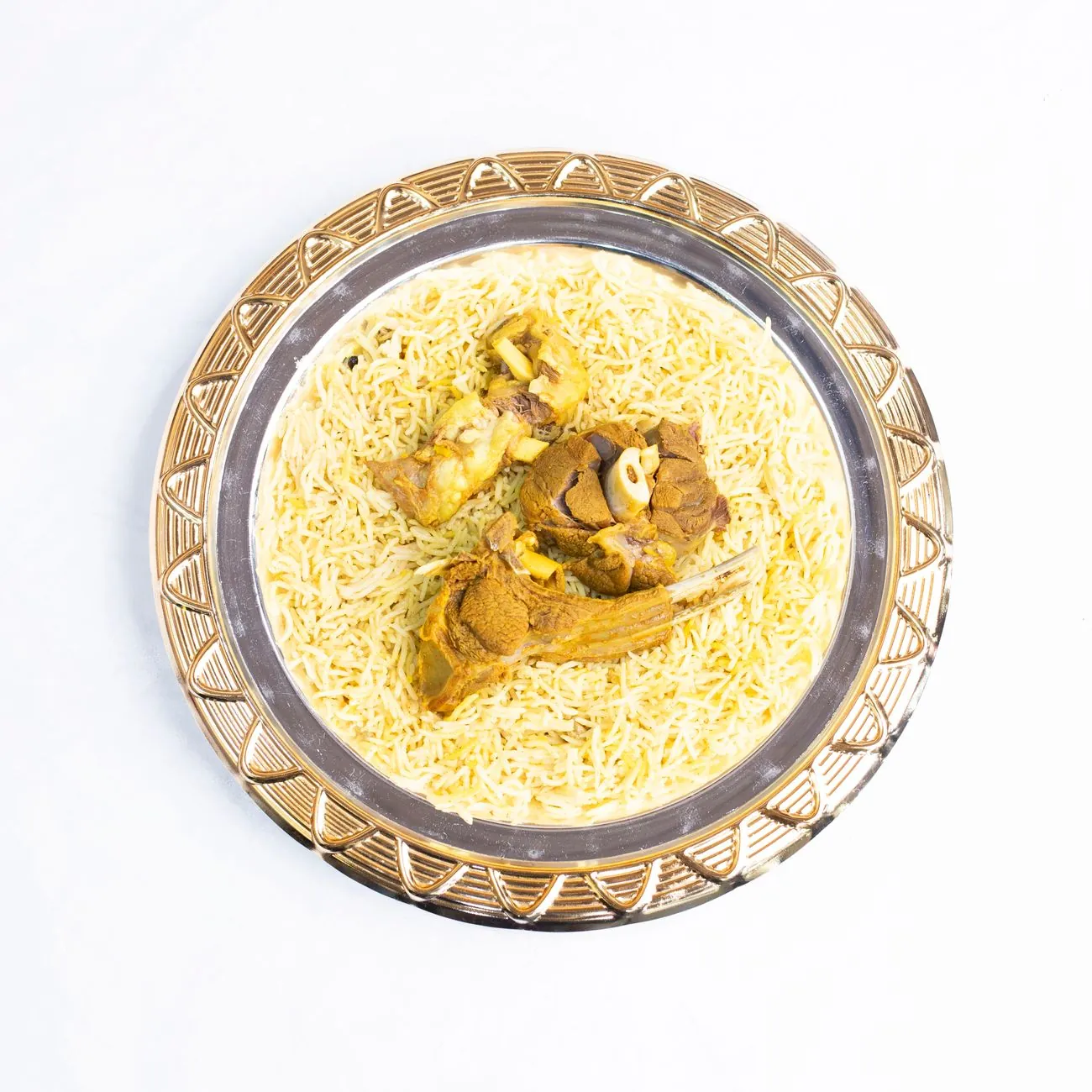
There is a moment in most kitchens when someone leans over the pot, dips a spoon, and goes quiet for a second. That pause is the whole craft in miniature. They are not checking against a recipe; they are asking the food a question and waiting for the answer. Cooking by taste is just the habit of asking that question often, and knowing what to do with what comes back. It sounds obvious, and in a way it is, but most of us taste far too rarely and far too late, usually once, right at the end, when it is too late to fix much. This entry is about moving that spoon earlier and using it more, until seasoning stops being a nervous gamble at the finish line and becomes a running conversation you have with the dish from the first minute to the last.
Taste is a sense you can train
We treat taste as fixed, something you either have or you don't, but it behaves more like a muscle. The first few times you taste a sauce with real attention, you will mostly notice whether you like it. Keep doing it and the picture sharpens. You start to separate salt from savouriness, to feel where acid is missing, to notice that a dish is technically fine but somehow flat. None of that arrives in a week. It arrives from tasting the same kinds of food again and again and slowly building a memory of what "right" feels like on your tongue.
A useful trick early on is to taste a component on its own before it goes in. Try the raw tomato, the stock, the cheese. Then taste the dish and you can hear each voice more clearly in the chorus. Over months this builds a kind of internal library, and eventually you can predict what a spoonful of something will do before you add it.
The four things to taste for
When you taste, do not just ask "is it good." Ask, in order, a few narrower questions. Is there enough salt to make the flavours step forward? Is there enough acid, a squeeze of lemon or a splash of vinegar, to keep it from feeling heavy? Is there enough fat to carry the flavour and coat the tongue? And is there depth, that savoury backbone, or does it taste thin and one-note? Most fixes a home cook ever needs live inside those four questions.
A small habit: keep a spoon and a glass of water beside the stove. Taste, sip, wait a beat, taste again. The water resets your palate so the tenth taste is nearly as honest as the first, instead of drowning under everything that came before it.
Season in layers, not at the end
The single biggest shift is to stop treating salt as a finishing step. Salt added early, to the onions, to the water, to the meat before it sears, gets time to travel into the food and season it from the inside. Salt thrown on at the end only sits on the surface, so you need more of it to get the same effect and the result tastes sharper and less rounded. The same goes for building flavour generally: a little at each stage, tasted as you go, beats a big correction at the finish.
Practically, this means seasoning is a series of small decisions. Salt the pan of aromatics, taste. Add the liquid, let it reduce, taste. Near the end, taste one more time and adjust the balance. You are not aiming to nail it in one shot. You are nudging the dish, checking, and nudging again.
- Salt early and in stages so it seasons through, not just on top.
- Add acid late, in small amounts, and taste the difference each squeeze makes.
- Reach for fat — a knob of butter, a thread of good oil — when a dish tastes correct but somehow hollow.
- Wait after each change, because hot food and freshly stirred food both lie to you for a few seconds.
When your taste and the clock disagree
Recipes give times because they have to, but your mouth outranks the timer. If a sauce is meant to simmer twenty minutes and it already tastes deep and balanced at fifteen, it is done. If it tastes thin at twenty, give it more time or reduce it further. The clock is a rough guide to how long things usually take in someone else's kitchen, on someone else's stove. The taste is the actual verdict in yours.
This is also how you learn. Every time you trust the spoon over the timer and it works, you bank a little confidence. Every time it goes wrong, you learn something specific about your pans, your heat, your ingredients. Either way the spoon teaches you more than the clock ever will.
The recipe tells you what usually happens. The spoon tells you what is happening now.
Start small. Pick one dish you cook often and, this week, taste it four or five times instead of once. Notice what changes between tastes and what you wish you had added sooner. That is the entire practice, repeated until it becomes automatic. Once tasting is second nature, the next thing to develop is everything the tongue cannot tell you on its own: what your nose, ears, eyes and fingers already know about the pan in front of you.